
The Invisible Load: How First Responder Partners Carry Stress Too
April 1, 2026
When we talk about first responder wellness, the focus often centers on the individual in uniform. The calls they run, the trauma they witness, and the weight they carry home. But there is another story happening quietly alongside it.
Spouses and partners of first responders often become the emotional stabilizer, household manager, and worry holder, all while managing their own fears, stress, and exhaustion. This invisible load is rarely acknowledged, yet it plays a critical role in the overall health of first responder families.
The Quiet Impact of Secondary Trauma
Even without responding to emergencies firsthand, partners are often exposed to trauma indirectly. Listening to fragments of difficult calls, noticing mood shifts, and living with constant concern about a loved one’s safety can take a toll over time.
This experience is known as secondary trauma. The emotional strain that comes from close contact with someone who is repeatedly exposed to traumatic events. Partners may experience anxiety, sleep disruption, irritability, or a persistent sense of unease without fully understanding why.
This stress builds gradually, it’s easy to dismiss or minimize until it becomes overwhelming.
Carrying the Role of “The Strong One”
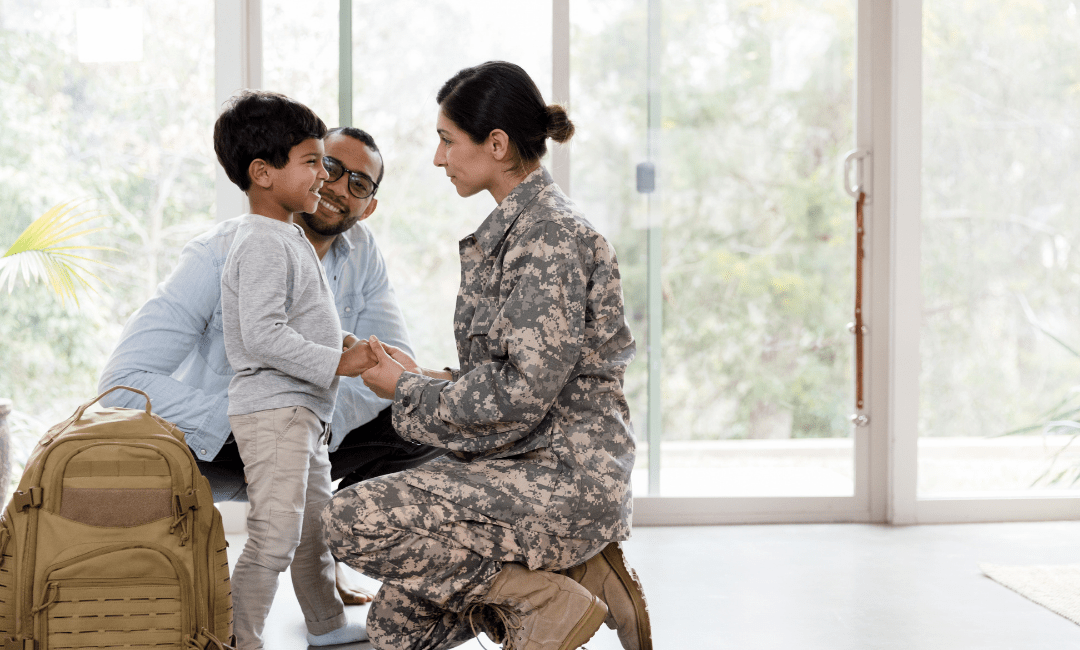
In many first responder households, partners feel an unspoken expectation to be the steady presence. They manage schedules, handle crises at home, support emotional recovery after difficult shifts, and keep life moving forward.
Over time, this role can lead to caregiver fatigue. A state of emotional and physical exhaustion that comes from consistently prioritizing others’ needs over your own. The pressure to “hold it together” often leaves little room for rest, vulnerability, or support.
Being strong, however, doesn’t mean being unaffected.
The Guilt That Keeps Partners Silent
Many partners struggle with guilt when they consider asking for help. Thoughts like “They’ve been through worse than I have” or “I should be able to handle this” are common.
This guilt can create silence. Where stress goes unspoken, and support feels undeserved. Emotional strain is not a competition. The challenges partners face are real, valid, and worthy of care.
Ignoring personal needs doesn’t protect the family. It often increases burnout and disconnection over time.
Why Partner Support Matters for the Whole Family
First responder wellness doesn’t exist in isolation. When partners are overwhelmed, exhausted, or emotionally depleted, it affects communication, connection, and the overall health of the household.
Supporting partners:
- Strengthens family resilience
- Improves communication and emotional safety
- Reduces long-term stress and burnout
- Helps first responders feel supported rather than burdened
When partners receive care, the entire family system benefits.
You’re Allowed to Take Care of Yourself Too
Supporting someone in a high-stress profession is meaningful, but it shouldn’t require sacrificing your own well-being. Seeking support isn’t a sign of weakness or failure. It’s an act of sustainability.
At Frontline Care Center, we recognize that first responder families carry unique challenges, and partners deserve space, understanding, and care just as much as those on the front lines. Call us today at 847-201-7095 or email us at info@frontlinecarecenter.org.