

Problem Gambling Awareness Month: Signs You Shouldn’t Ignore
March 2, 2026
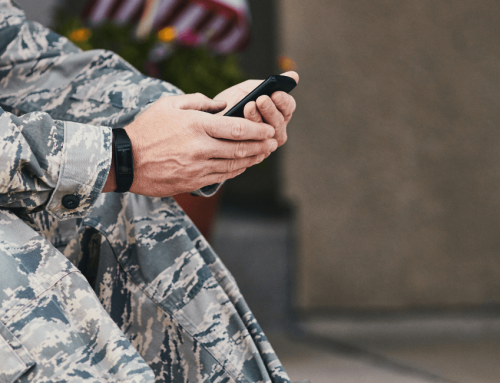
Problem Gambling Awareness Month is an important reminder that gambling-related struggles often go unnoticed, especially among veterans and first responders. In careers built on strength, control, and resilience, it can be easy to minimize behaviors that feel manageable at first but quietly escalate over time.
Problem gambling isn’t about lack of discipline or poor character. It’s a behavioral health condition that can develop as a response to stress, trauma, and repeated exposure to high-intensity environments. Recognizing the early signs can make a significant difference for individuals and their families.
Why Problem Gambling Is Often Overlooked
For many veterans and first responders, gambling can start as a way to decompress, chase adrenaline, or escape stress after long shifts or deployments. Because gambling is legal and socially normalized, it often doesn’t raise red flags until the consequences become harder to hide.
Additionally, many who struggle continue to perform well at work, reinforcing the belief that “everything is under control.” Unfortunately, functioning on the surface doesn’t mean there isn’t a problem underneath.
Signs You Shouldn’t Ignore
Problem gambling doesn’t look the same for everyone, but there are common warning signs worth paying attention to:
Behavioral signs
- Gambling more frequently or for longer periods than intended
- Difficulty cutting back or stopping, even after deciding to
- Chasing losses or increasing bets to feel the same rush
- Gambling in secrecy or lying about time or money spent
Emotional and mental health signs
- Irritability, anxiety, or restlessness when not gambling
- Using gambling to cope with stress, trauma, or difficult emotions
- Feeling guilt, shame, or hopelessness related to gambling behavior
- Emotional withdrawal or numbness
Financial and relational signs
- Financial strain, unexplained debt, or borrowing money
- Arguments with loved ones about money or time spent gambling
- Loss of trust within relationships
- Neglecting responsibilities at home or work
These signs don’t mean someone has failed. They signal that support may be needed.
The Connection Between Trauma and Gambling
Veterans and first responders face higher rates of trauma exposure than the general population. Gambling can temporarily quiet intrusive thoughts, numb emotional pain, or recreate the adrenaline familiar from high-stress work environments.
Over time, however, this coping strategy can become its own source of stress, intensifying anxiety, financial pressure, and relationship strain. Treating problem gambling effectively often means addressing the underlying trauma, not just the behavior itself.
When Awareness Leads to Action
Problem Gambling Awareness Month isn’t about labeling or judgment. It’s about education, early recognition, and access to care. The earlier someone gets support, the easier it is to reduce harm and protect careers, families, and well-being.
If you recognize these signs in yourself or someone you care about, it’s worth having a conversation. Help is most effective when it’s compassionate, confidential, and trauma-informed.
You Don’t Have to Face This Alone
At Frontline Care Center, we understand the unique challenges veterans, first responders, and their families face. We provide confidential, compassionate behavioral health services that address problem gambling alongside trauma, stress, and co-occurring mental health concerns.
Call us at 847-201-7095 or email info@frontlinecarecenter.org to learn more about how we can help.