
How Gambling Addiction Can Hide in Plain Sight
July 25, 2025
In careers that demand quick thinking, calm under pressure, and unwavering strength, it’s not always easy or natural to talk about personal challenges. But even the strongest among us face moments of stress and the need to decompress.
For those in high-stress professions like emergency response, military service, dispatch, and law enforcement, one area that often goes unnoticed is gambling-related stress. It’s not about weakness or lack of discipline. In fact, problem gambling can quietly develop in the background without obvious warning signs, and that’s exactly why it’s worth understanding.
Why Gambling Sometimes Becomes a Coping Tool
First responders and military members are no strangers to intense schedules, life-or-death decisions, and the emotional impact of what they see and experience. In such environments, it’s only natural to seek out ways to relax, escape, or unwind.
For many, gambling becomes a substitute for other coping methods, especially substance use, because it doesn’t produce a high that interferes with job performance and isn’t easily detected through toxicology.
Gambling, whether it’s sports betting, online slots, or poker, can seem like a harmless outlet. It’s widely accepted, accessible 24/7, and can even feel like a quick way to recharge between shifts or deployments. But over time, what starts as a form of entertainment can sometimes become a deeper issue, especially when it becomes a routine way to manage stress.
Why It’s Hard to Spot
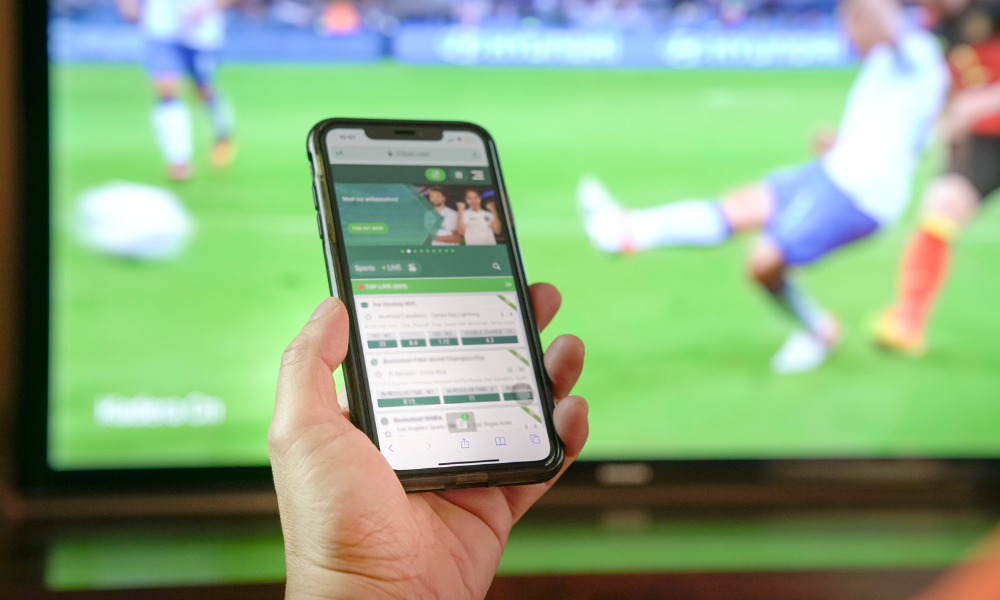
Unlike other challenges, gambling often doesn’t leave visible signs. While substances like alcohol may carry a scent or noticeable behavioral changes, many others like gambling can go undetected. With today’s technology, gambling can happen quietly on a phone, at home, at work, or during downtime without anyone noticing.
What makes gambling especially difficult to spot is how it affects the brain. It activates the same reward centers as substances like drugs or alcohol, triggering the release of dopamine, the “feel-good” chemical. This creates a strong sense of reinforcement, leading to neurological dependency. But unlike substances that cause physical withdrawal, gambling leads to a psychological addiction. One that can be easier to hide and harder to recognize until the consequences become serious.
And because many people in these professions are trained to “handle it” or push through tough situations, they may not recognize when gambling starts to take up more time, money, or mental energy than intended.
Subtle Signs That Something May Be Off
Gambling struggles don’t always show up in dramatic ways. Sometimes, the signs are subtle. These signs aren’t about failure or lack of control. They’re simply signals that someone may be carrying more than they let on.:
- Stress about finances that seem out of the ordinary
- Frequently checking their phone or feeling preoccupied with results of sporting events
- Changes in mood or sleep patterns
- Pulling away from loved ones or coworkers
- Feeling the need to “chase” losses or keep gambling to recover money
- Expensive items around the office or home go missing around them
- Common tasks they used to be able manage are becoming unmanageable
- Loss of interest in other hobbies and activities
- Frequently lying about where they’ve been, what they’ve been doing, or their financial situation
You’re Not Alone and It’s Not a Character Flaw
It’s important to know this: problem gambling is not a reflection of character or competence. It’s a behavioral health issue, and like any health challenge, it’s easier to manage when caught early and addressed with the right support.
In fact, many people in service-related fields who’ve sought help say they feel stronger and more in control today than ever before, not because they “toughed it out,” but because they took steps to understand what was going on and how to address it.
Help That Respects Your Experience
If you or someone you care about is struggling with gambling or even just wondering whether it’s become too much, there are confidential, judgment-free resources specifically designed for veterans, service members, and first responders. Call us today at 847-201-7095 or email info@frontlinecarecenter.org.